
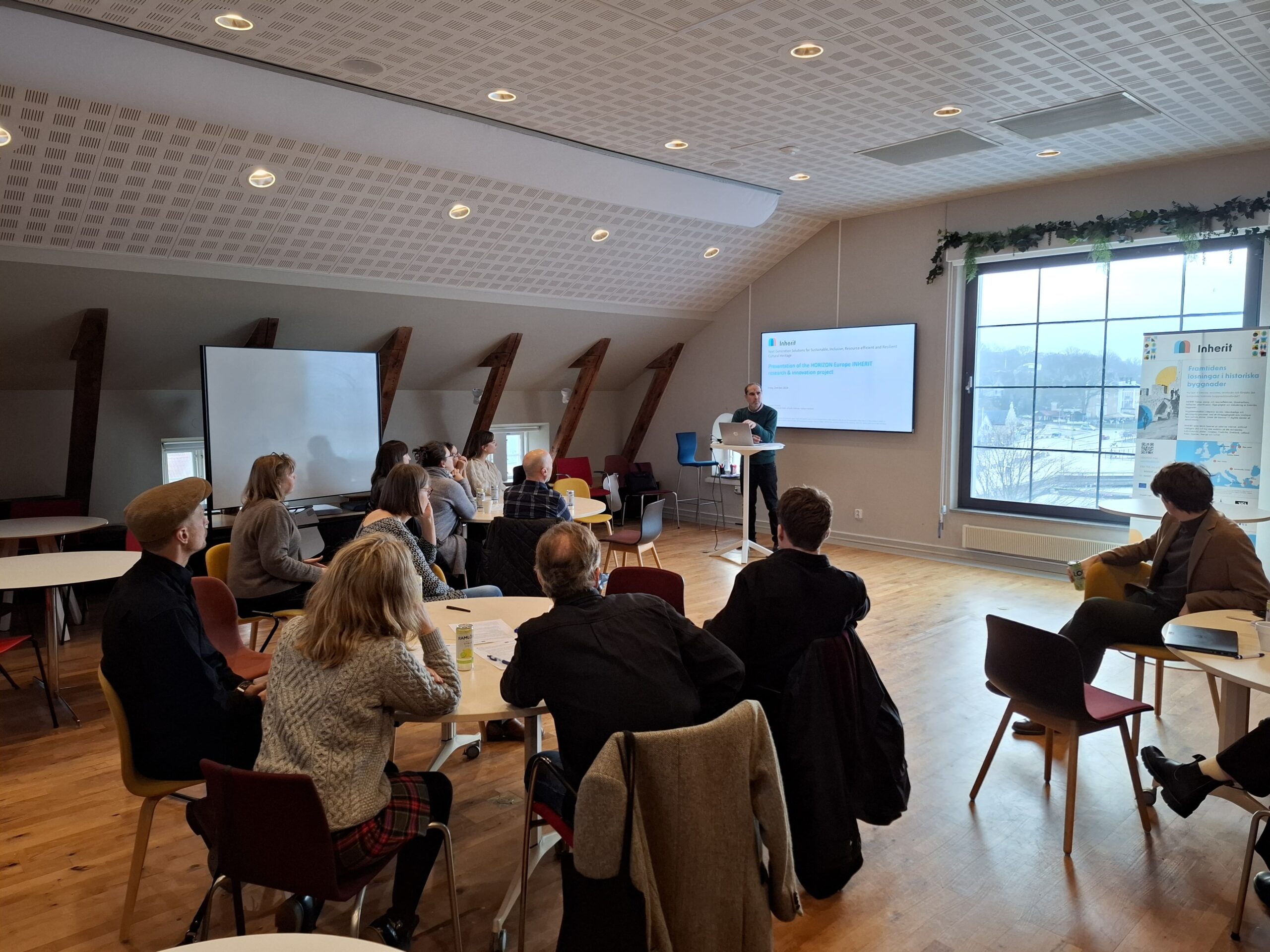
The second round of the INHERIT social labs in each demo city has concluded: a further step in participatory innovation in cultural heritage.
INHERIT has successfully concluded the second round of its social labs. These mark another significant milestone in the projects’s mission to enhance the social value of cultural heritage renovations. The social labs, designed as co-creation workshops, bring together local stakeholders in each demo city to collaboratively develop sustainable and inclusive renovation strategies.
Building upon the initial phase, the second round of social labs focused on two key thematic modules: the New European Bauhaus and technological solutions for cultural heritage renovations. These discussions allowed participants to explore innovative approaches that blend aesthetics, sustainability, and functionality, ensuring that heritage buildings remain vibrant assets for their communities.
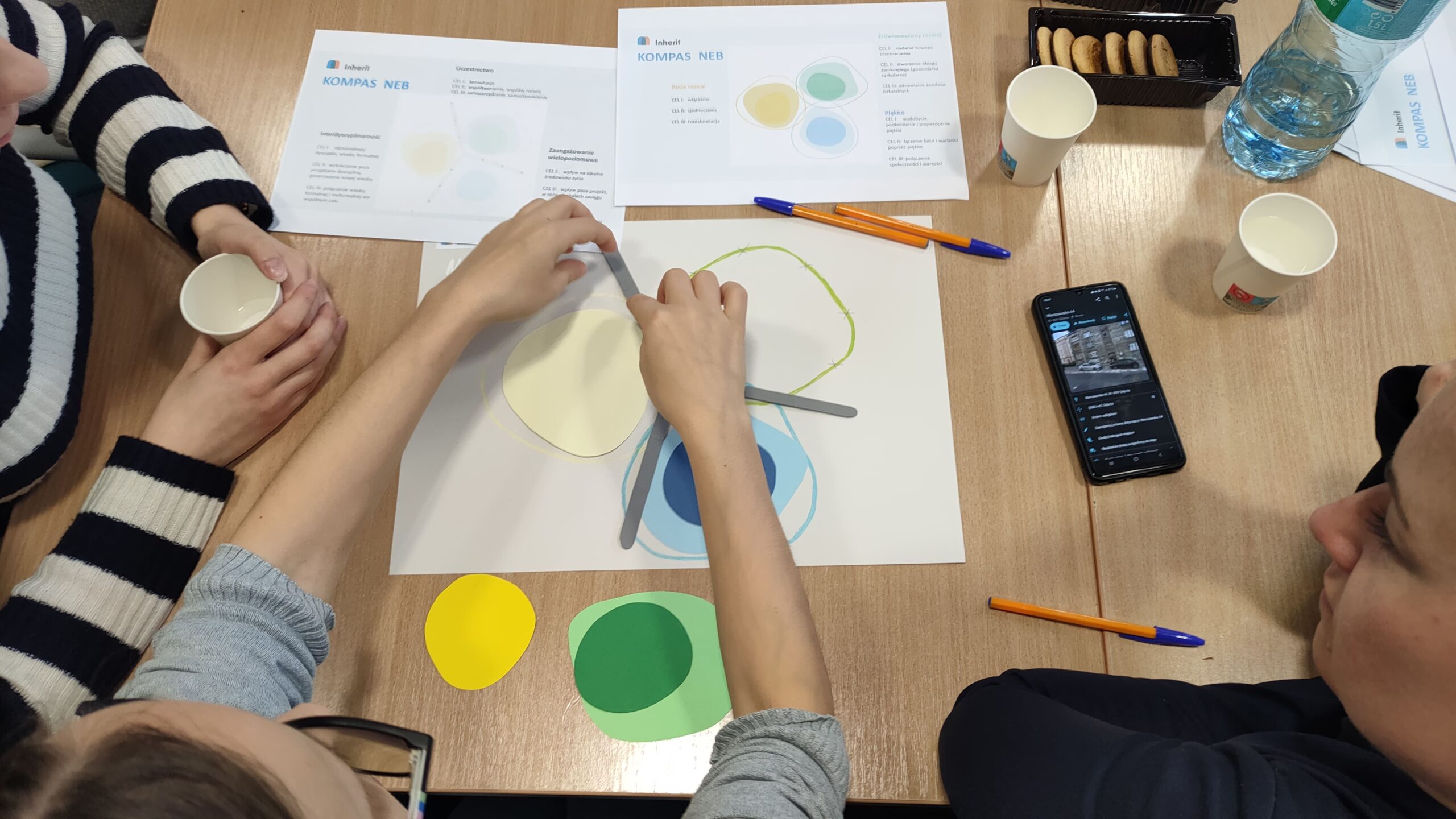
Photo credits: FASADA
INHERIT social labs key features
As part of the Horizon Europe-funded INHERIT project, social labs have been established in the project’s demonstrator cities across Europe to address the unique challenges posed by diverse historic building stocks. Given the varying construction techniques, materials, and architectural styles, these social labs serve as vital platforms for formulating differentiated renovation strategies that promote energy efficiency, resource sustainability, and social inclusiveness.
The Centre for Social Innovation (ZSI) plays a pivotal role in this initiative, overseeing the coordination and facilitation of collaborative research and co-creation processes. ZSI senior researchers Pamela Bartar and Philipp Brugner highlight the participatory nature of the social labs: “Throughout the project duration, the INHERIT social labs – together with the Multi-Stakeholder Forum launched in October 2024 – address a bundle of topics referring to sustainable, inclusive, resource-efficient, and resilient cultural heritage. We put a particular focus on the stakeholder engagement strategy for the maximisation of the social impact and the sustainability of the selected cultural heritage pilots – hand in hand with the technical solutions that are envisaged for each building.”
The social labs are hubs where people from different backgrounds come together to brainstorm and create solutions. They focus on eight key areas, including building design, renovation, monitoring, climate resilience, and broader urban sustainability. By bringing in local communities and experts from various disciplines, the project encourages knowledge-sharing, helping to keep the INHERIT initiatives relevant and impactful long after the project’s official end.
Representatives from public authorities, private sector, academia and civil society—known as the Quadruple Helix—work side by side to shape ideas that not only preserve cultural heritage but also make it useful and accessible for today’s communities. By combining social, economic, and technological insights, these collaborations make heritage conservation more inclusive and community-driven.
Second round of social labs and way forward
The success of this second round of social labs highlights a growing commitment to innovation in cultural heritage renovation. The insights gathered from these sessions will continue to steer the INHERIT project forward, ensuring that local stakeholders remain at the heart of sustainable heritage practices. As the project looks ahead to future milestones, including the next event of the Multi-Stakeholder Forum, it reaffirms its dedication to shaping the future of cultural heritage preservation across Europe.
Cover photo credits: Uppsala University