
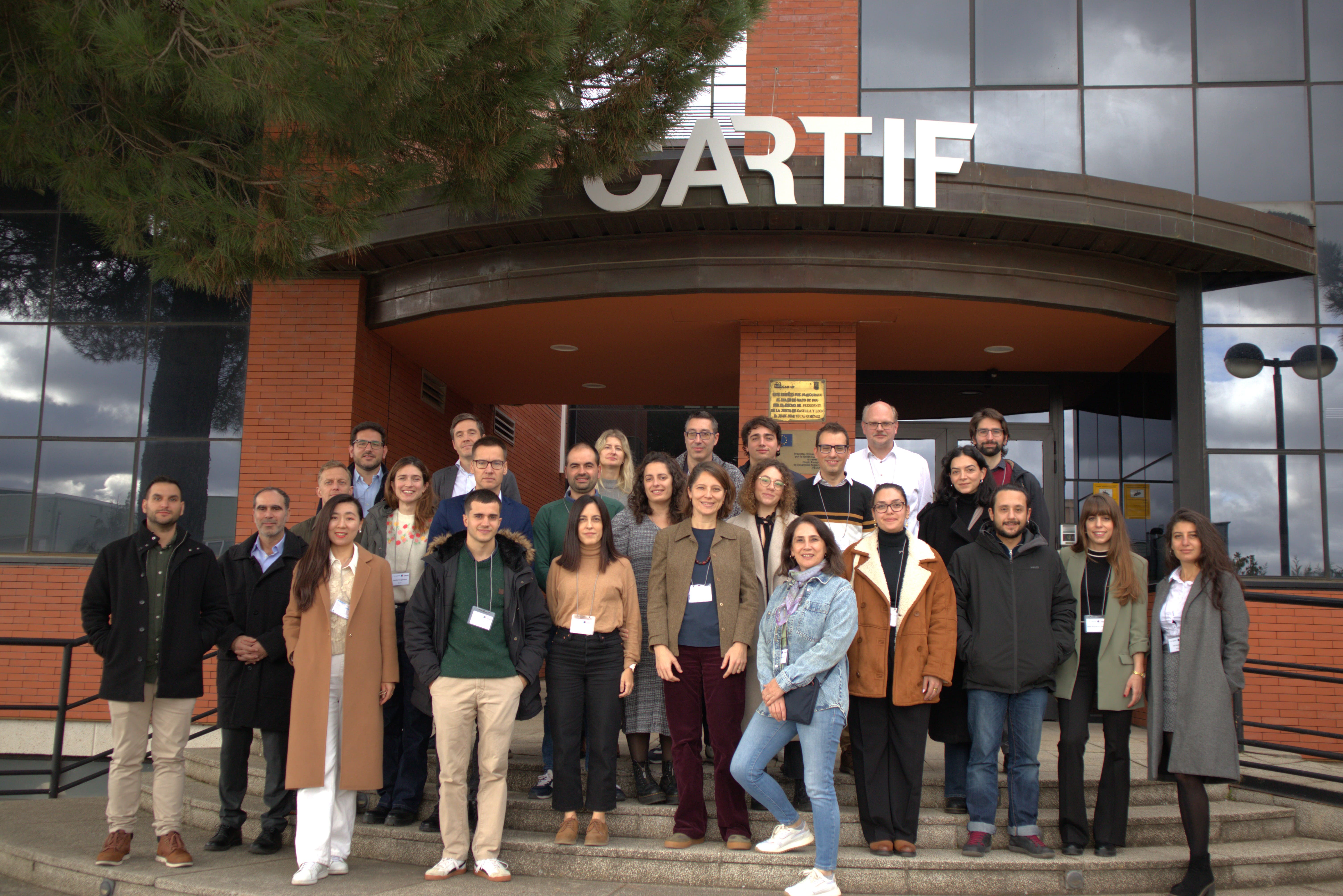
The second project meeting of the INHERIT project took place in Valladolid, Spain. Project partners also had the occasion to visit the demonstrator.
The second project meeting of the INHERIT project took place in Valladolid, Spain, at CARTIF headquarter. The two-day meeting took place on November 20 and 21, 2024. Over the course of the two-day meeting, partners had the opportunity to review project progress and explore the innovations demonstrated at the Spanish pilot site: the historic Monastery of ‘Ntra. Sra. del Prado’.
Visit to the historic Monastery pilot site
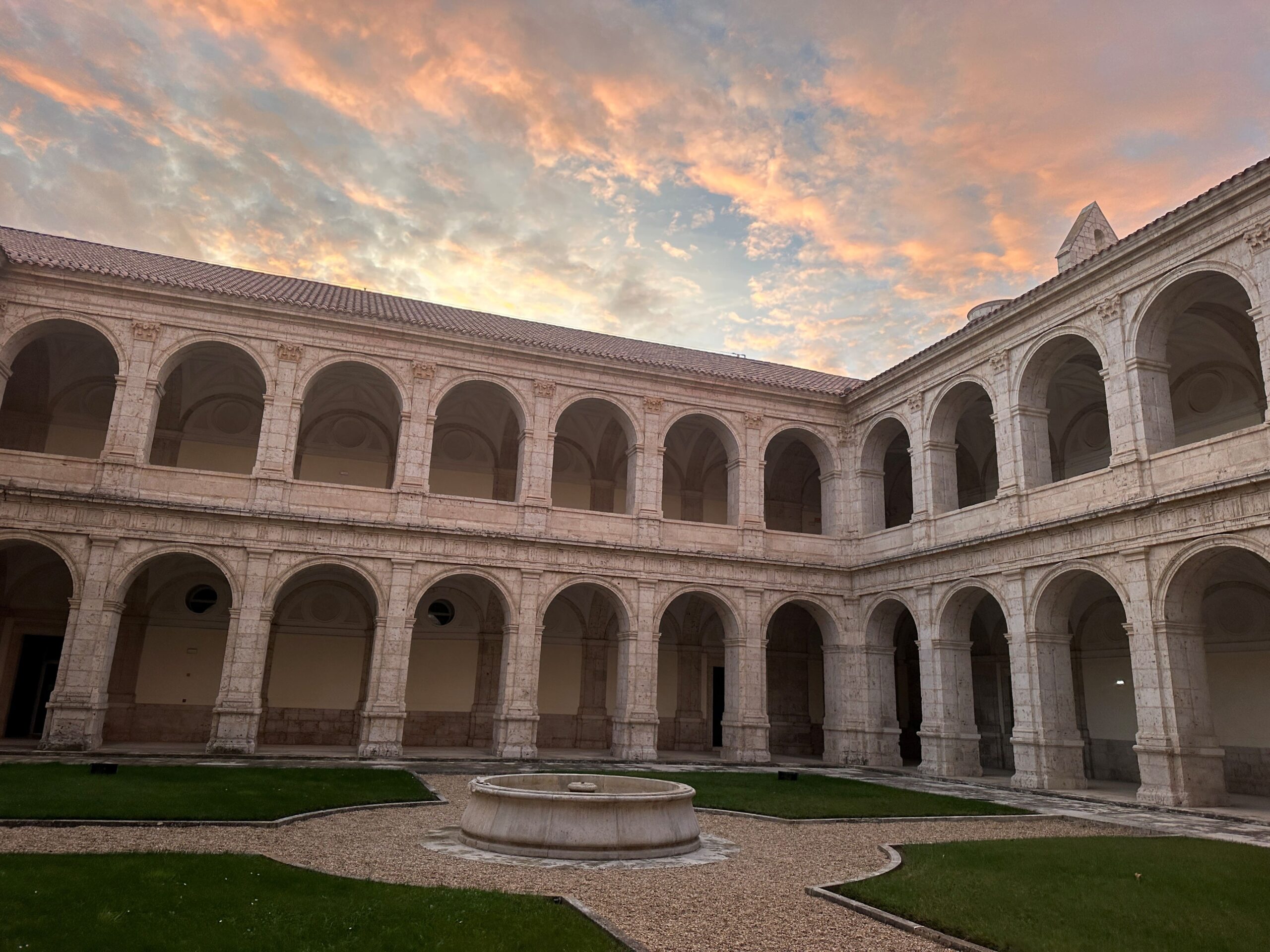
The Monastery of ‘Ntra. Sra. del Prado’ provided a unique backdrop for showcasing the INHERIT project’s efforts. The building is situated near the Pisuerga River and adjacent to the Parliament of Castile and León. The Monastery became a national, historical, and artistic monument in 1877. Today, it serves as the headquarters for the Ministry of Culture, Tourism, and Sports, as well as the Ministry of Education.
The monastery is a living example of how heritage buildings can be integrated with modern technology. It boasts several advanced systems, including Domestic Hot Water (DHW) installations, presence sensors, and lighting regulators. Other features include air-conditioning, underfloor heating, a natural ventilation system, parking spaces for people with reduced mobility, and charging stations for electric vehicles.
A showcase of energy-efficient solutions
INHERIT project aims to enhance the energy efficiency of heritage buildings while respecting their historical integrity. The project focuses on cost-effective and minimally invasive solutions that are in line with European regulations and UNESCO guidelines. The demonstration at the monastery highlighted several key technologies that will optimize the building’s energy performance:
- Interactive Screens and AR/VR Interfaces: These tools will support visualisation and decision-making in the renovation process.
- Digital Twin and H-BIM: The project is developing Heritage-Building Information Modelling (H-BIM) to digitally document the monastery’s structure. This will allow for precise planning of future interventions based on comprehensive technical inspections in line with European standards.
INHERIT’s work ensures that historical renovations are cost-effective and minimally disruptive, providing a model for modernisation that honors the UNESCO Historic Urban Landscape recommendations.
The project team looks forward to continuing their efforts to blend heritage preservation with innovative technology, making cultural landmarks more sustainable for future generations.