
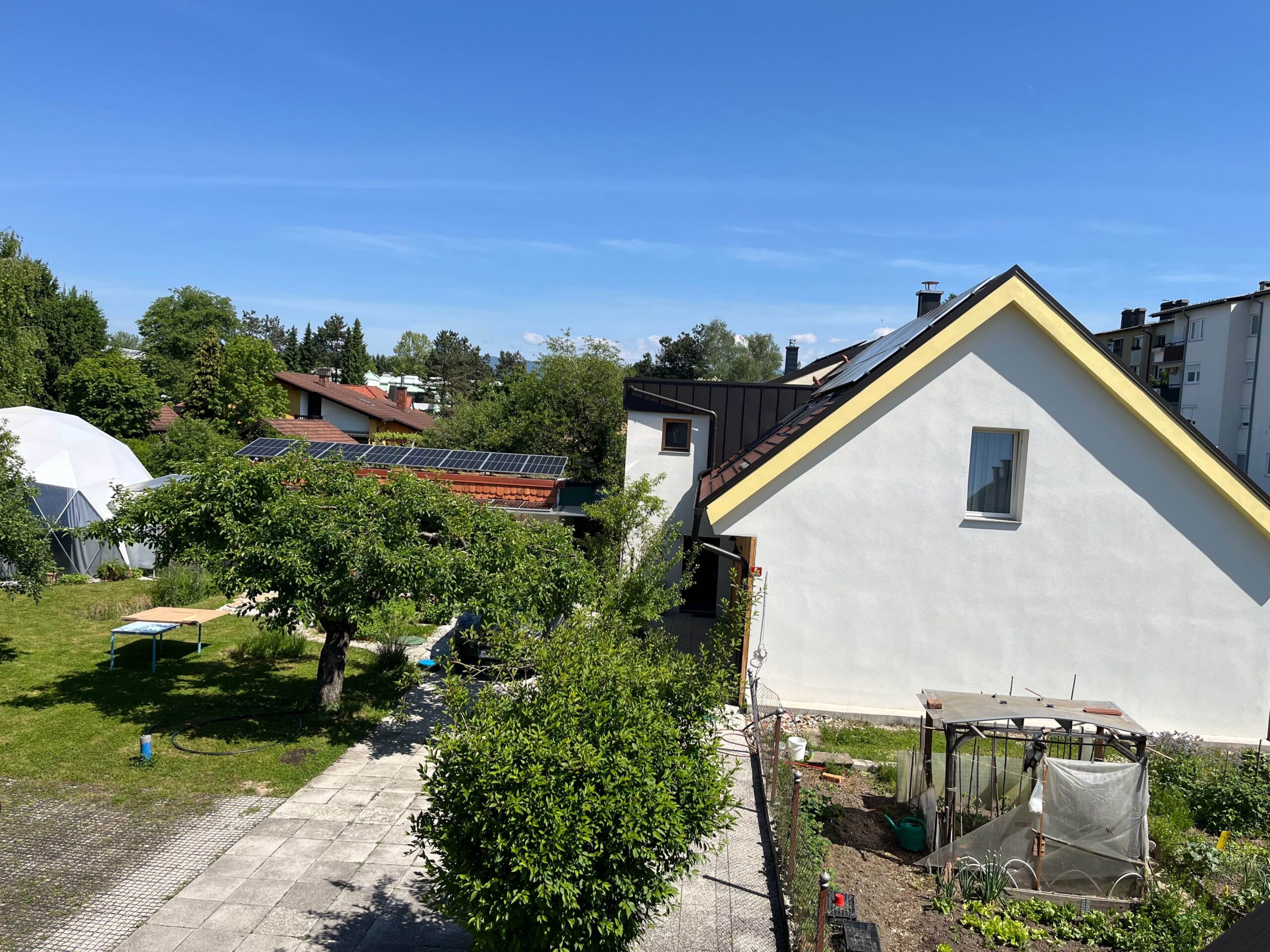
Lessons in sustainability and community from the Zero Waste House in Žalec, Slovenia
INHERIT peer-learning visits continue, bringing together partners from across Europe to exchange knowledge and experiences on sustainable solutions for historic buildings. These study visits, launched after an open call in April 2024, give INHERIT pilot-ambassadors the opportunity to explore local initiatives, engage in peer discussions, and learn from innovative practices that combine heritage preservation with energy efficiency.
After the first stop in Nicosia, Cyprus, the journey continued in Žalec, Slovenia. On the 14th of May 2025, our partner, REGEA, which is responsible for INHERIT’s Croatian pilot, visited the Zero Waste House in Žalec.
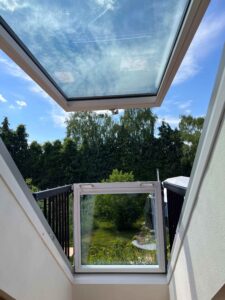
While it may look like an ordinary family home, the Zero Waste House reflects a deeply thoughtful approach to sustainable living: every decision, material, and detail is carefully considered to reduce waste and preserve natural resources.
Today, the house serves not only as a home but also as an educational space, a gathering place, and a source of inspiration for anyone seeking to live in harmony with the environment.
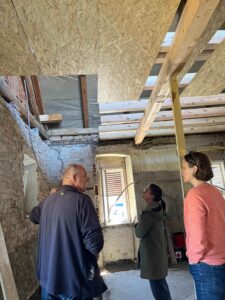
The owner of the house, Andrej, guided REGEA partners through its fascinating history. The building is over 170 years old and was renovated with minimal intervention, using only natural and locally available materials – wood, clay, and hemp. What makes this renovation special is the approach: nothing new is purchased until all existing options have been exhausted. Materials were salvaged from construction sites, found in sheds, donated, or repurposed. In this way, the house literally lives the philosophy of the circular economy.
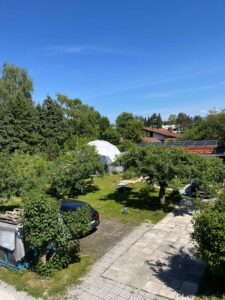
However, the Zero Waste House is not just a physical space. It is a place of community and knowledge exchange. In the yard, there is a small permaculture garden maintained by the local community, including the charming retired neighbor Fanika. For Fanika, the garden is not just a place to work, but also a space for socializing, conversations, and a sense of belonging. Generations come together here, stories and experiences are exchanged. The yard also regularly hosts workshops on composting, woodworking, household sustainability, and other practical topics. In this way, the yard becomes a kind of community center, a meeting place for different generations and ideas.
The neighboring 19th-century house, also owned by Andrej’s family and located in the protected historical center, offered another inspiring example. Currently under renovation with the support of two architects, the project is making use of Building Information Modeling (BIM) to plan the works: a clear demonstration of how tradition and modern technology can be successfully combined.
This study visits to Žalec, Slovenia, shows that sustainability does not have to be complicated, expensive, or reserved only for large projects. On the contrary, small, thoughtful interventions, relying on the local community, and making use of what already exists can have a strong impact.
Although the INHERIT pilot project in Jastrebarsko relates to the city administration building, there are many valuable lessons to be learned from this visit: the use of natural materials, designing shared spaces, citizen involvement, and phased, long-term renovation are all applicable elements in public buildings as well.
This visit was also a powerful reminder that change starts with individuals – those who don’t wait for perfect conditions but act with what they have. The Zero Waste House in Žalec shows that sustainability is not an ideal, but a practice. And for that reason, it rightfully carries the recognition of New European Bauhaus Rising Stars.